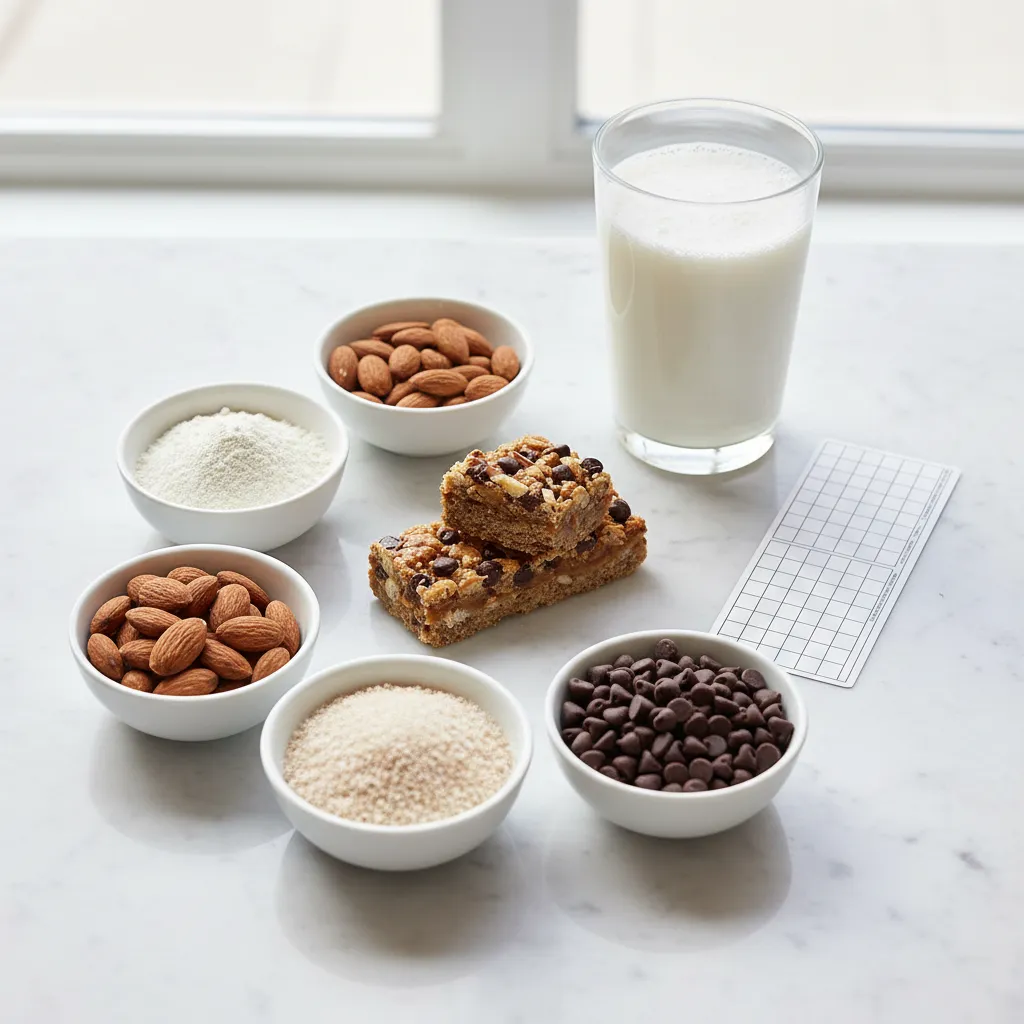

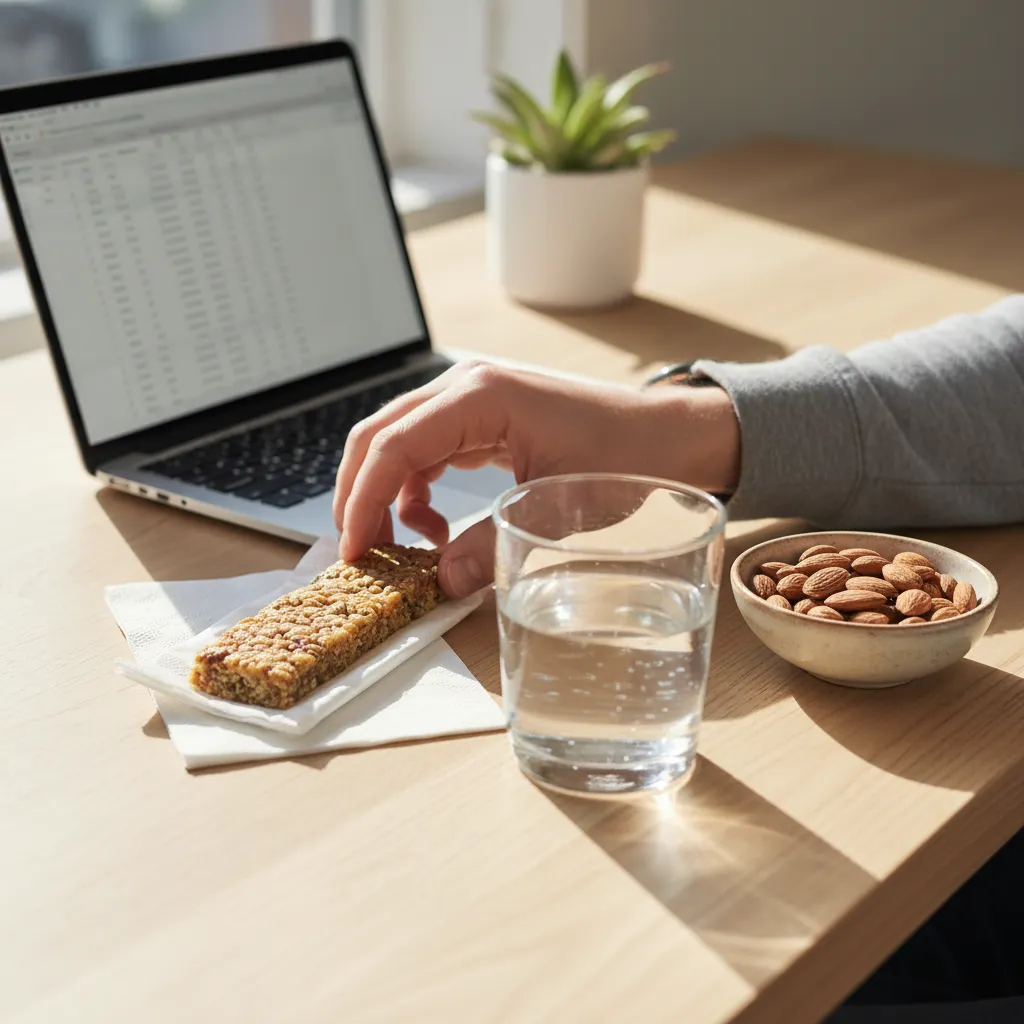
Images are for illustrative purposes only and do not represent the actual product. These are not official Herbalife product photos.
What Are Protein Bars and Why Are They a Smarter Snack?
Discover why protein bars are replacing traditional snacks, how they support your nutrition goals, and what makes Herbalife Protein Bars a better choice.
What Is a Protein Bar?
A protein bar is a portable, ready-to-eat snack designed to deliver a meaningful amount of protein — typically 10 to 20 grams per bar — along with controlled calories, fiber, and essential nutrients. Unlike candy bars or traditional granola bars that rely on sugar for taste, protein bars are formulated to satisfy hunger, support muscle maintenance, and provide sustained energy without the blood sugar crash.
Protein bars sit at the intersection of convenience and nutrition. They require no preparation, no refrigeration, and no cleanup — making them one of the most practical ways to add quality protein to your daily diet.
Why Are Traditional Snacks a Problem?
Most conventional snacks are designed for taste, not nutrition. Here is what a typical snacking pattern looks like:
- Chips and crackers — high in refined carbohydrates and sodium, virtually no protein, easy to overeat
- Candy and chocolate bars — 30-50g of sugar per serving, rapid blood sugar spike followed by an energy crash
- Pastries and baked goods — high in saturated fat, refined flour, and added sugars with minimal nutritional value
- Vending machine options — almost universally high-calorie, low-nutrient, and portion-distorted
The result is a cycle of temporary satisfaction followed by hunger, fatigue, and overconsumption. Research published in the American Journal of Clinical Nutrition shows that high-sugar snacks increase total daily calorie intake by 15-20% compared to protein-rich alternatives.
How Can Protein Bars Help?
Switching to protein-based snacking addresses the core problems of traditional snacks:
- Appetite control — protein is the most satiating macronutrient. A bar with 10-15g of protein keeps you full significantly longer than a carbohydrate-heavy snack of equal calories
- Stable energy — the combination of protein, fiber, and controlled carbohydrates provides sustained energy without the spike-and-crash pattern
- Muscle support — adequate daily protein intake is essential for maintaining lean muscle mass, especially if you exercise regularly or are over 40
- Portion control — individually wrapped bars remove the guesswork. You know exactly what you are consuming
- Convenience — no preparation, no mess. Fits in a bag, a desk drawer, or a gym bag
- Nutrient density — quality protein bars include vitamins, minerals, and fiber alongside protein, making every calorie count
For people trying to manage their weight, build muscle, or simply eat better, replacing one or two daily snacks with a protein bar can make a measurable difference.
What Makes Herbalife Protein Bars Different?
Herbalife Protein Bars are formulated by the Herbalife Nutrition Advisory Board — a team of over 40 scientists, physicians, and nutrition experts. They stand apart from most commercial protein bars in several important ways:
- Balanced macronutrients — designed to provide meaningful protein with controlled sugar and calories, not just protein at the expense of everything else
- Great taste — available in indulgent flavors that satisfy cravings without guilt. These are bars you actually look forward to eating
- Fiber content — includes dietary fiber to support digestion and enhance the feeling of fullness
- No meal replacement confusion — clearly positioned as a snack, not a meal. They complement your Herbalife nutrition plan rather than replacing meals
- Trusted quality — manufactured under strict quality controls with full ingredient transparency
- Part of a system — designed to work alongside Herbalife shakes, teas, and supplements as part of a complete nutrition approach
Whether you need a mid-morning bridge between breakfast and lunch, an afternoon pick-me-up, or a post-workout snack, Herbalife Protein Bars deliver nutrition that fits your schedule.
Who Uses Protein Bars?
Protein bars are not just for bodybuilders or athletes. They benefit anyone with a busy life and nutrition goals:
- Working professionals — need a quick, clean snack between meetings or during commutes without relying on vending machines or fast food
- Students — long study sessions require sustained brain fuel, not sugar crashes
- Parents — busy schedules mean meals are often rushed or skipped. A protein bar provides a reliable nutrition anchor
- Gym-goers and athletes — need portable protein before or after training without the hassle of shaker bottles
- Weight management — anyone tracking calories and protein benefits from a pre-portioned, nutritionally transparent snack
- Travelers — airports, road trips, and hotel rooms offer limited healthy options. Protein bars solve the problem
- Older adults — maintaining protein intake becomes increasingly important with age for muscle preservation and bone health
If you snack at least once a day — and most people do — there is an opportunity to make that snack work for your body instead of against it.
Is a Protein Bar Right for You?
Consider whether any of these apply to your daily life:
- You reach for chips, cookies, or candy when hungry between meals
- You often feel an energy dip in the mid-afternoon
- You skip snacks entirely and then overeat at the next meal
- You exercise regularly but do not consume enough protein throughout the day
- You want to manage your weight but struggle with portion control
- You travel frequently and find it hard to eat well on the go
- You are looking for a healthier alternative that still tastes indulgent
If even one or two of these resonate, a protein bar could be a simple, effective upgrade to your daily nutrition. The key is choosing one that delivers genuine nutritional value — not just a candy bar with added protein powder.
Frequently Asked Questions
Are protein bars actually healthy or just glorified candy bars?
It depends entirely on the bar. Many commercial protein bars contain 15-20g of sugar and use cheap fillers to boost protein content. A quality protein bar — like those from Herbalife — prioritizes balanced macronutrients: meaningful protein, controlled sugar, adequate fiber, and vitamins. Always check the nutritional profile rather than just the front label.
When is the best time to eat a protein bar?
The best times are between meals when hunger strikes — typically mid-morning or mid-afternoon. They also work well as a pre-workout snack 30-60 minutes before exercise, or as a convenient post-workout option when you cannot prepare a full meal. The goal is to prevent the gap between meals from becoming so long that you overeat later.
Can protein bars help with weight loss?
Yes, when used strategically. Replacing a high-calorie, low-nutrient snack with a protein bar reduces total calorie intake while increasing protein and fiber. Both protein and fiber promote satiety, which means you feel fuller longer and are less likely to overeat at your next meal. However, protein bars should supplement a balanced diet — they are not a standalone weight loss solution.