

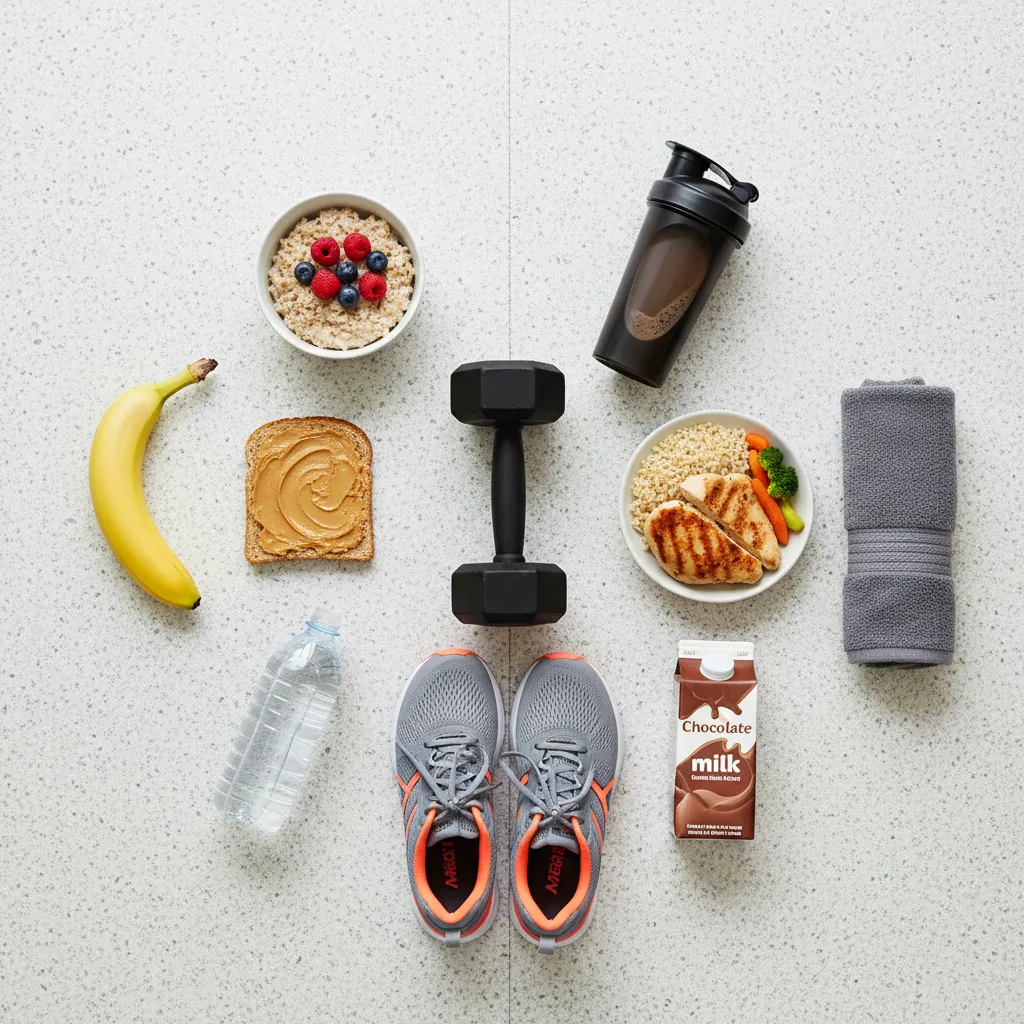
What to Eat Before and After a Workout: The Complete Nutrition Guide
Learn exactly what to eat before and after workouts to maximize performance, recovery, and results — backed by sports nutrition science.
Why What You Eat Around Your Workout Matters
You can follow the best training program in the world, but if your nutrition around exercise is off, you're leaving results on the table. Research published in the Journal of the International Society of Sports Nutrition suggests that properly timed nutrition can improve exercise performance by up to 20% compared to training in a fasted or poorly fueled state.
Your body needs specific nutrients at specific times to perform, recover, and adapt. Pre-workout nutrition provides the fuel to train hard. Post-workout nutrition provides the raw materials to repair muscle tissue and replenish energy stores. Skip either one, and you slow down your progress — whether your goal is fat loss, muscle gain, or general fitness.
The good news is that workout nutrition doesn't need to be complicated. Here's what the science says about fueling your training effectively.
What to Eat Before a Workout
Your pre-workout meal has one primary job: deliver enough energy to sustain your session without causing digestive discomfort. The timing and composition of that meal matter significantly.
2-3 Hours Before Exercise (Full Meal)
If you have time for a complete meal before training, aim for a balanced plate:
- Complex carbohydrates — your muscles' preferred fuel source during moderate-to-high intensity exercise. Think whole grains, oats, sweet potatoes, or rice
- Moderate protein — 20-30g helps prevent muscle breakdown during training and provides amino acids for early recovery
- Low-to-moderate fat — some healthy fats are fine, but large amounts slow digestion and can cause stomach discomfort during exercise
- Moderate fiber — enough for sustained energy release, but not so much that it causes bloating
30-60 Minutes Before Exercise (Light Snack)
When time is short, you need something that digests quickly and delivers fast energy:
- Simple carbohydrates — a banana, a piece of toast with honey, or a small handful of dried fruit
- Small amount of protein — 10-15g to support muscle preservation
- Minimal fat and fiber — these slow digestion and can cause discomfort during intense activity
A study in the International Journal of Sport Nutrition and Exercise Metabolism found that consuming carbohydrates in the hour before exercise improved endurance performance compared to training on an empty stomach — particularly for sessions lasting longer than 60 minutes.
Pre-Workout Meal Ideas
Full meals (2-3 hours before):
- Oatmeal topped with banana, a drizzle of honey, and a scoop of nut butter
- Grilled chicken breast with brown rice and steamed vegetables
- Whole-grain toast with scrambled eggs and avocado
- Greek yogurt with berries, granola, and a handful of almonds
Quick snacks (30-60 minutes before):
- A banana with a tablespoon of peanut butter
- A small handful of trail mix (nuts, seeds, dried fruit)
- Rice cakes with a thin spread of jam
- A protein shake blended with banana and oat milk — this is a particularly convenient option when you're short on time, as it digests quickly and delivers both carbs and protein in a form your stomach handles well during exercise
The key is to experiment and find what works for your body. Some people train well on a full stomach; others prefer to keep it light. What matters is that you're not running on empty.
What to Eat After a Workout
Post-workout nutrition serves a different purpose than pre-workout. After exercise, your body shifts from performance mode to repair mode. The two priorities are:
- Protein for muscle repair — exercise creates microscopic tears in muscle fibers. Protein provides the amino acids your body needs to rebuild those fibers stronger than before
- Carbohydrates for glycogen replenishment — your muscles store carbohydrates as glycogen, and training depletes these stores. Replenishing them ensures you're ready for your next session
The Post-Workout Recovery Window
You may have heard about the "anabolic window" — a period after exercise when your body is especially receptive to nutrients. While earlier research suggested this window was extremely narrow (30 minutes), more recent studies in the Journal of the International Society of Sports Nutrition indicate it's broader than originally thought — likely extending 2-3 hours post-exercise.
That said, there's no downside to eating sooner. If you can get a balanced meal or snack within 30-60 minutes of finishing your workout, you'll optimize glycogen replenishment and kickstart muscle protein synthesis at the most responsive time.
Post-workout macronutrient targets:
- Protein: 20-40g — research consistently shows this range maximally stimulates muscle protein synthesis. A 2018 meta-analysis published in the British Journal of Sports Medicine found that consuming at least 1.6g of protein per kilogram of body weight daily, distributed across meals, was the strongest predictor of muscle growth
- Carbohydrates: 0.5-0.7g per kilogram of body weight — this is especially important after endurance exercise or high-volume resistance training
- Healthy fats: a moderate amount is fine and won't impair recovery, despite older myths suggesting otherwise
Post-Workout Meal Ideas
Quick recovery options (within 30-60 minutes):
- A protein shake blended with fruit and milk — one of the most efficient post-workout options because liquids digest faster than solid food, delivering amino acids to your muscles quickly
- Greek yogurt with honey and mixed berries
- A protein bar paired with a banana — convenient when you're heading straight from the gym to work or other commitments
- Chocolate milk — research has shown its roughly 3:1 carb-to-protein ratio makes it a surprisingly effective recovery drink
Full meals (within 1-2 hours):
- Grilled salmon with quinoa and roasted vegetables
- Chicken stir-fry with brown rice and plenty of colorful vegetables
- Whole-grain wrap with turkey, hummus, spinach, and peppers
- Eggs on whole-grain toast with avocado and a side of fruit
Hydration Before, During, and After Exercise
Water is involved in virtually every metabolic process in your body, including energy production and muscle function. Even mild dehydration — as little as 2% of your body weight in fluid loss — can reduce exercise performance by up to 25%, according to research in the European Journal of Applied Physiology.
Before Exercise
- Drink 400-600ml (14-20 oz) of water 2-3 hours before your workout
- Have another 200-300ml (7-10 oz) about 20 minutes before you start
During Exercise
- Aim for 150-350ml (5-12 oz) every 15-20 minutes, adjusting for sweat rate and conditions
- For sessions under 60 minutes, plain water is generally sufficient
- For sessions over 60 minutes or in hot conditions, you lose significant electrolytes (sodium, potassium, magnesium) through sweat. A sports drink containing electrolytes can help maintain fluid balance and prevent cramping. Look for options that provide sodium and potassium without excessive sugar
After Exercise
- Drink 500-700ml of fluid for every 0.5kg (1 lb) of body weight lost during exercise
- Continue sipping water throughout the rest of the day
- If you sweated heavily, include some sodium in your post-workout meal or drink to help your body retain the fluid you're replacing
A simple way to monitor hydration: check your urine color. Pale straw to light yellow indicates good hydration. Dark yellow or amber means you need to drink more.
Common Workout Nutrition Mistakes
Even dedicated exercisers often undermine their results with these common errors:
Training fasted when trying to build muscle. While fasted cardio may have a place in some fat-loss protocols, training without fuel when your goal is muscle growth is counterproductive. Without available amino acids and glycogen, your body is more likely to break down existing muscle tissue for energy.
Eating too much fat before training. Fat slows gastric emptying. A high-fat meal within 1-2 hours of exercise can lead to nausea, cramping, and sluggish performance. Save the avocado and nut butter for meals further from your training time.
Skipping post-workout nutrition entirely. "I'll just eat dinner later" is one of the most common recovery mistakes. The longer you wait to refuel, the slower your recovery. Even a small protein-rich snack within the first hour makes a meaningful difference.
Relying only on supplements. Protein shakes, bars, and sports drinks are tools — not replacements for whole food. They're most valuable when convenience matters (rushed mornings, immediately post-workout, traveling). Your foundation should always be whole, nutrient-dense meals.
Not eating enough overall. This is especially common among people trying to lose weight while exercising. If you're consistently under-eating relative to your training volume, you'll experience fatigue, poor recovery, loss of muscle mass, and eventually stalled progress. Sustainable fat loss requires a moderate caloric deficit — not starvation.
How Your Goals Shape Your Workout Nutrition
While the fundamentals of workout nutrition apply to everyone, the details shift based on your primary goal:
Fat loss: You still need to fuel your workouts — cutting calories too aggressively around training leads to muscle loss and metabolic slowdown. Focus on a moderate caloric deficit spread across the day, keep protein high (1.6-2.2g per kg of body weight), and prioritize protein-rich foods after training to preserve lean muscle.
Muscle gain: You need a caloric surplus to build muscle effectively. Increase carbohydrate intake before and after training to fuel intense sessions and support recovery. Aim for at least 1.6g of protein per kilogram of body weight daily, distributed evenly across 3-5 meals.
Endurance performance: Carbohydrates are your best friend. Endurance athletes may benefit from "carb loading" — increasing carbohydrate intake to 7-10g per kg of body weight in the 24-48 hours before a long event. During prolonged exercise (90+ minutes), consuming 30-60g of carbohydrates per hour from sports drinks, gels, or easily digested foods can significantly delay fatigue.
Regardless of your goal, protein remains essential. It supports muscle repair, immune function, and satiety — all of which matter whether you're cutting, building, or training for a race.
Frequently Asked Questions
Should I eat before a morning workout?
It depends on the type and intensity of exercise. For light cardio or yoga, training on an empty stomach may be fine for some people. For higher-intensity sessions or strength training, even a small snack — a banana, a few crackers, or a quick protein shake — can improve your performance and protect muscle mass. If you find it difficult to eat early, a liquid option like a shake tends to sit more easily than solid food. Listen to your body and experiment.
How much protein do I really need after a workout?
Research suggests 20-40g of protein post-workout is the optimal range for stimulating muscle protein synthesis. For most people, 20-25g is sufficient; larger individuals or those performing very high-volume training may benefit from the higher end. The source matters less than the amount — whey protein, eggs, chicken, fish, Greek yogurt, or plant-based options all work. What matters most is your total daily protein intake across all meals.
Is chocolate milk actually a good recovery drink?
Yes, there's genuine research supporting it. A study published in the International Journal of Sport Nutrition and Exercise Metabolism found that chocolate milk was as effective as commercial sports recovery drinks for replenishing glycogen and supporting muscle recovery after endurance exercise. Its natural combination of carbohydrates, protein, fluid, and electrolytes makes it an affordable and accessible recovery option.
Can I just drink water during workouts, or do I need a sports drink?
For most workouts lasting under 60 minutes, plain water is perfectly adequate. When your sessions extend beyond 60 minutes, involve heavy sweating, or take place in hot or humid conditions, an electrolyte-containing sports drink helps replace the sodium, potassium, and magnesium you lose through sweat. This helps prevent cramping and maintains your body's fluid balance more effectively than water alone.
What should I eat if I work out late at night?
A lighter post-workout meal that's rich in protein and moderate in carbohydrates works well after evening sessions. Avoid very large, heavy meals close to bedtime, as they can disrupt sleep quality. Good options include a protein shake with banana, Greek yogurt with berries, or a small portion of chicken with vegetables. Aim to finish eating at least 60-90 minutes before bed if possible.
The information in this article is for general educational purposes and is not a substitute for professional medical advice. If you have specific health conditions or concerns about your exercise nutrition, consult a qualified healthcare provider or registered dietitian before making significant changes to your diet.