

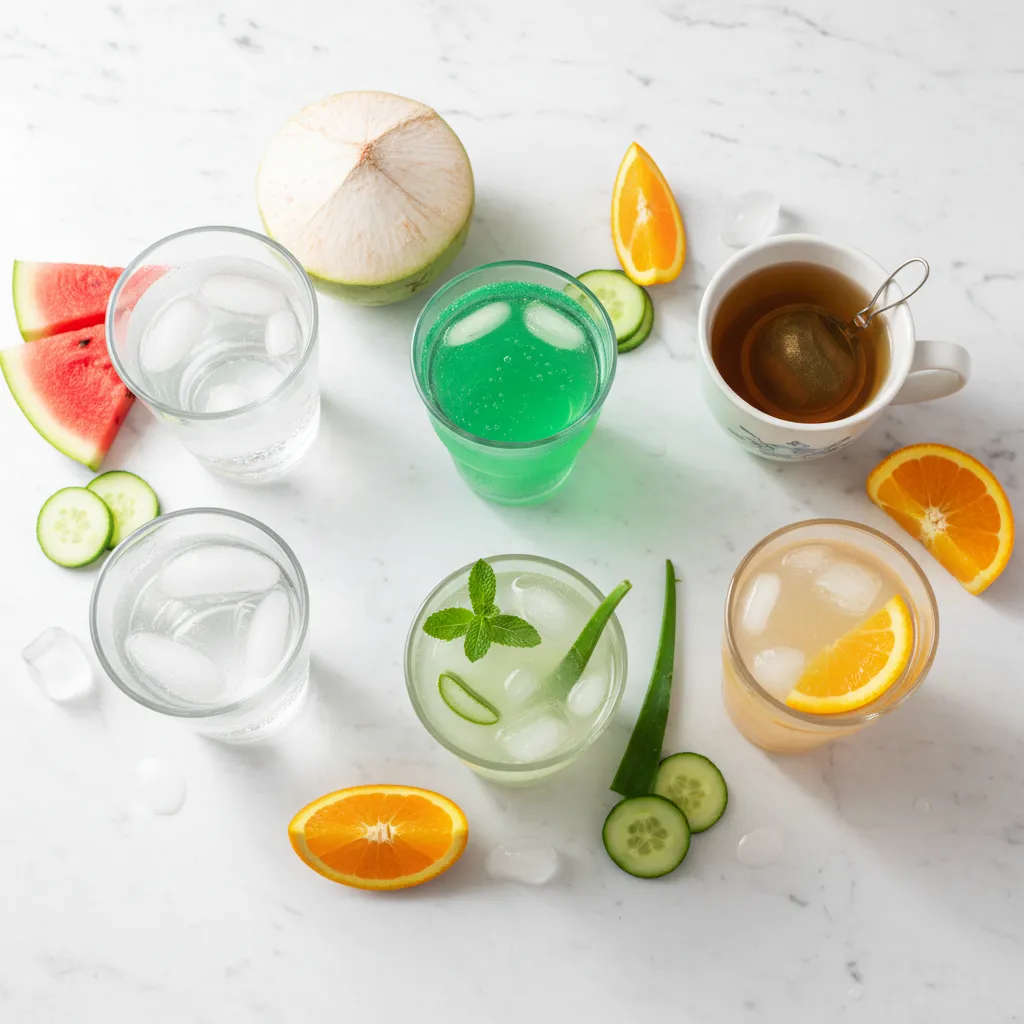
Hydration Beyond Water: What Your Body Actually Needs to Stay Hydrated
Water alone isn't always enough. Learn how electrolytes, nutrition, and timing affect hydration — and how to stay properly hydrated for energy and performance.
Why Water Alone Isn't Always Enough
Water is essential for life. It makes up about 60% of your body weight and is involved in nearly every biological function — from regulating temperature to transporting nutrients to cushioning joints. But for many people, especially those who exercise, live in warm climates, or have active lifestyles, plain water doesn't fully meet their hydration needs.
True hydration isn't just about volume — it's about absorption and retention. When you drink plain water on an empty stomach, a significant portion passes through your system quickly without being fully absorbed by your cells. This is why you can drink liters of water and still feel thirsty, fatigued, or experience headaches.
The missing piece is usually electrolytes — minerals that help your body absorb and retain the water you drink.
What Happens When You're Dehydrated
Even mild dehydration — losing just 1-2% of your body weight in fluid — has measurable effects on your body and mind.
Physical effects:
- Reduced endurance and strength (performance drops 10-20% at just 2% dehydration)
- Increased heart rate during exercise
- Muscle cramps and stiffness
- Headaches and dizziness
- Impaired temperature regulation
Cognitive effects:
- Difficulty concentrating and slower reaction time
- Increased fatigue and irritability
- Reduced short-term memory
- Lower mood and motivation
A study published in the Journal of Nutrition found that mild dehydration impaired mood, increased perception of task difficulty, and caused headaches in young women — even when they weren't exercising. The effects were similar in a parallel study on young men, published in the British Journal of Nutrition.
Most people don't realize they're dehydrated because they're waiting to feel thirsty. By the time thirst kicks in, you've already lost 1-2% of your body fluid.
The Role of Electrolytes
Electrolytes are minerals that carry an electrical charge when dissolved in water. They're critical for hydration because they regulate how much water your cells absorb and retain.
The key electrolytes for hydration:
- Sodium — the primary electrolyte lost in sweat. Drives water absorption in the small intestine and helps maintain fluid balance. You can lose 500-1,500mg of sodium per liter of sweat depending on genetics and fitness level
- Potassium — works alongside sodium to maintain fluid balance inside your cells. Also critical for muscle contraction and nerve function
- Magnesium — involved in over 300 enzymatic reactions, including those related to muscle function and energy production. Deficiency causes cramping and fatigue
- Calcium — essential for muscle contraction and nerve signaling. Lost in sweat during prolonged exercise
When you need electrolytes beyond plain water:
- Exercise lasting more than 60 minutes
- High-intensity or interval training (even if shorter)
- Exercising in heat or humidity
- Heavy sweating during work or daily activity
- After illness involving vomiting or diarrhea
- If you follow a low-carb or ketogenic diet (these increase electrolyte excretion)
How Different Beverages Affect Hydration
Not all drinks hydrate equally. A study from the University of St Andrews in Scotland measured the beverage hydration index — how long different drinks keep you hydrated compared to water.
Most hydrating (better than plain water):
- Oral rehydration solutions (electrolyte drinks designed for absorption)
- Milk (contains sodium, potassium, and natural sugars that slow gastric emptying)
- Electrolyte sports drinks (when they contain sodium and carbohydrates)
Equal to water:
- Tea (despite mild caffeine, the fluid volume compensates)
- Sparkling water
- Diluted fruit juice
Less hydrating than water:
- Coffee in large amounts (the diuretic effect of high caffeine doses can offset fluid intake)
- Alcohol (a strong diuretic — you lose more fluid than you consume)
- Sugary sodas (high sugar content can slow absorption)
The takeaway: drinks that contain small amounts of sodium, potassium, and carbohydrates are absorbed and retained better than plain water.
Hydration for Exercise and Sport
Your hydration strategy should change based on when and how hard you're training.
Before Exercise
Start hydrating 2-3 hours before your workout, not at the last minute. Drinking a large amount right before exercise can cause stomach discomfort without improving hydration.
- Drink 400-600ml of water 2-3 hours before exercise
- Add electrolytes if you know you'll sweat heavily or your session will last over 60 minutes
- Check your urine color — pale straw means you're well hydrated
- Avoid large amounts of caffeine before exercise in hot conditions (it can increase sweat rate)
During Exercise
How much you need during a workout depends on intensity, duration, temperature, and your individual sweat rate.
- Under 60 minutes — water is usually sufficient for moderate-intensity exercise
- 60-90 minutes — add electrolytes, especially sodium, if you're sweating heavily
- Over 90 minutes — you need both electrolytes and carbohydrates. A sports hydration drink with 4-8% carbohydrate concentration and 300-600mg sodium per liter is the gold standard for endurance performance
- Aim to drink 150-250ml every 15-20 minutes during exercise
- Don't wait until you're thirsty — set a timer if needed
After Exercise
Post-workout hydration is about replacing what you lost. For every kilogram of body weight lost during exercise, you need approximately 1.5 liters of fluid to fully rehydrate (the extra accounts for ongoing sweat and urine production).
- Drink 500ml within the first 30 minutes after training
- Include sodium in your recovery drink to help retain the fluid
- Pair hydration with a protein-rich recovery meal or shake
- Aloe-based drinks can support digestive comfort after intense exercise and help with nutrient absorption during recovery
- Continue sipping fluids for 2-4 hours post-exercise
Everyday Hydration: Practical Strategies
You don't need to be an athlete to benefit from better hydration habits. Most people fall short of optimal hydration in their daily routine.
Morning Hydration
After 7-8 hours of sleep, your body is mildly dehydrated. Starting your day with fluids sets the tone for the rest of the day.
- Drink a full glass of water (300-500ml) within 30 minutes of waking — before coffee
- Adding aloe vera to your morning water can soothe the digestive tract and support nutrient absorption from breakfast
- Follow with your morning tea or coffee (these count toward your daily fluid intake)
Throughout the Day
- Keep a water bottle at your desk or in your bag — visibility is the best reminder
- Drink consistently in small amounts rather than large volumes at once
- Eat water-rich foods: cucumbers (96% water), watermelon (92%), oranges (87%), strawberries (91%), lettuce (96%)
- Herbal teas count toward your fluid intake and add antioxidant benefits with minimal calories
- Set reminders if you tend to forget — there are apps for this, but even phone alarms work
Signs You're Hydrating Well
- Urine is pale straw colored (not clear — that can indicate over-hydration)
- You don't feel thirsty throughout the day
- Skin bounces back quickly when pinched (turgor test)
- Consistent energy without afternoon crashes
- No persistent headaches
How Much Fluid Do You Actually Need?
The commonly cited "8 glasses a day" is a reasonable starting point, but your actual needs vary based on body size, activity level, climate, and diet.
General guidelines:
- Sedentary adults — approximately 2 liters (women) to 2.5 liters (men) of total fluid per day, including fluid from food
- Moderately active — add 500ml-1 liter per hour of exercise
- Hot climate or heavy sweating — increase by 500ml-1 liter above your normal baseline
- High-altitude environments — increase intake as respiration-related fluid losses are higher
About 20% of your daily fluid comes from food — more if you eat plenty of fruits, vegetables, and soups. The rest comes from beverages.
Rather than tracking exact milliliters, use the urine color test as your daily gauge. Pale straw is the target. Consistently dark yellow means you need more fluid.
Frequently Asked Questions
Does coffee dehydrate you?
Moderate coffee consumption (1-3 cups per day) does not cause dehydration. While caffeine has a mild diuretic effect, the water in coffee more than compensates for it. A study published in PLOS ONE confirmed that moderate coffee intake contributes to daily fluid intake similarly to water. However, very high caffeine intake (400mg+ or 4+ cups) may increase fluid losses, especially during exercise in heat.
What are the best electrolyte sources besides sports drinks?
Natural electrolyte sources include coconut water (rich in potassium), bananas, avocados, nuts and seeds (magnesium), dairy products (calcium), and salted foods. For exercise over 60 minutes, a purpose-made electrolyte sports drink with controlled sodium and carbohydrate levels is more effective than natural sources alone because the concentrations are optimized for absorption.
Can you drink too much water?
Yes. Overhydration (hyponatremia) occurs when you drink so much water that sodium levels in your blood become dangerously diluted. This is rare but can happen during prolonged endurance events when athletes drink excessive water without electrolytes. Symptoms include nausea, headache, confusion, and in severe cases, seizures. This is another reason why electrolytes matter — they help your body maintain proper fluid balance even at higher intake volumes.
How do I know if I need electrolytes or just water?
For most daily activities and exercise under 60 minutes, plain water is sufficient. You likely need electrolytes if you exercise over 60 minutes, sweat heavily, experience muscle cramps during or after exercise, work outdoors in heat, or notice salt stains on your workout clothes. If you regularly feel fatigued despite adequate water intake, adding electrolytes to your routine may help.
Is sparkling water as hydrating as still water?
Yes. Sparkling (carbonated) water hydrates just as well as still water. The carbonation does not affect absorption or fluid balance. Some people find that carbonation causes mild bloating during exercise, so still water may be preferred during workouts. For daily hydration, sparkling water is an equally effective and enjoyable option.